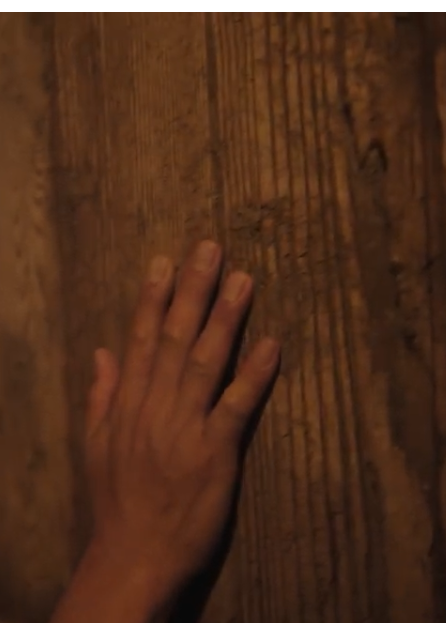
Steel produces soy. Cedar produces a weapon of flavor. The difference is the same as a flashlight and a laser.
Tactical Brief
The Biological Architect
Unlike industrial tanks, kioke barrels are porous environments. They do not merely contain the mash. They host a century of biological life that keeps rewriting the fermentation profile.
The Vessel
Cedar Lungs
The staves breathe through heat and cold, giving the ferment room to move with the seasons. That rhythm builds aroma, color, and a quieter form of salinity.
The Lineage
Inherited Microflora
Over decades the wood saturates with yeast and lactic acid bacteria unique to the brewery. A new batch enters an existing lineage instead of starting from zero.
The kioke barrel begins as carpentry and ends as biology. Huge cedar staves are tensioned into shape without nails or glue, then asked to hold mash through year after year of heat, cold, and microbial bloom. Eventually the vessel becomes less like a tool and more like an organ.
That matters because fermentation is not just a timer. It is an environment. Stainless lets you control temperature and sanitation with machine-like clarity, but it also strips out the residency that makes a brewery taste like itself. Kioke keeps the lineage alive inside the wood.
This is why barrel-aged soy does not read like “more soy.” It reads like more structure. The aroma lands sooner, the finish stretches longer, and the salinity feels narrower. You need less of it because the vessel already concentrated the argument.
When cooks talk about using Shogun in drops instead of drizzles, they are really talking about the barrel.
“Steel produces soy. Cedar produces a weapon of flavor.”
01
The Selection
Start with the right grain and the right cedar.
The vessel matters before the mash ever arrives.
02
The Inoculation
Introduce koji and let enzymes begin the breakdown.
This is where starch becomes the foundation for depth.
03
The Entrustment
Move the mash to kioke and let the seasons take over.
The barrel room becomes an ecological collaborator.
04
The Extraction
Press gently and preserve the structure of the liquid.
The point is precision, not volume.